Trade Credit Insurance News Today for Oil & Energy Distributors

Bectran logo for blog posts
Janine Aquino

Bectran Product Team

I

September 17, 2026

5 minutes to read

Trade credit insurance safeguards Oil & Energy distributors against customer non-payment by protecting accounts receivable. Staying current on market trends and policy developments helps owners and credit teams manage the inherent risks of extending terms in a volatile commodity market.

Why is trade credit insurance relevant for fuel distributors today?

Fuel distributors operate with thin margins, often just cents per gallon. Thin margins make them vulnerable to bad debt. One customer default can erase the profit from dozens of loads, directly impacting an owner's personal guarantees and financial stability. Rack prices shift rapidly. Price volatility complicates risk.

A credit limit set in dollars can quickly represent fewer gallons. Fewer gallons for the same dollar limit increase exposure. Traditional risk assessment tools, such as bureau reports, often come with a 60-90 day lag. The 60-90 day lag makes them less effective for real-time decisions in a fast-moving market. By the time a report reflects a customer's distress, the exposure may have already grown. Owners need mechanisms in place to answer, "What if I don't get paid?" proactively.

Trade credit insurance protects against unforeseen defaults. The policy covers both domestic and export transactions. Insurers transfer the risk of non-payment from distributors to themselves. Businesses extend more competitive terms to customers with greater confidence. The insurance is vital in sectors like construction or oilfield services. Payment disputes are common in these sectors, and payment cycles can slow due to increased project scrutiny. Insurers continually adapt their offerings to address the specific challenges faced by energy companies. Policy updates are a key area of interest for owners.

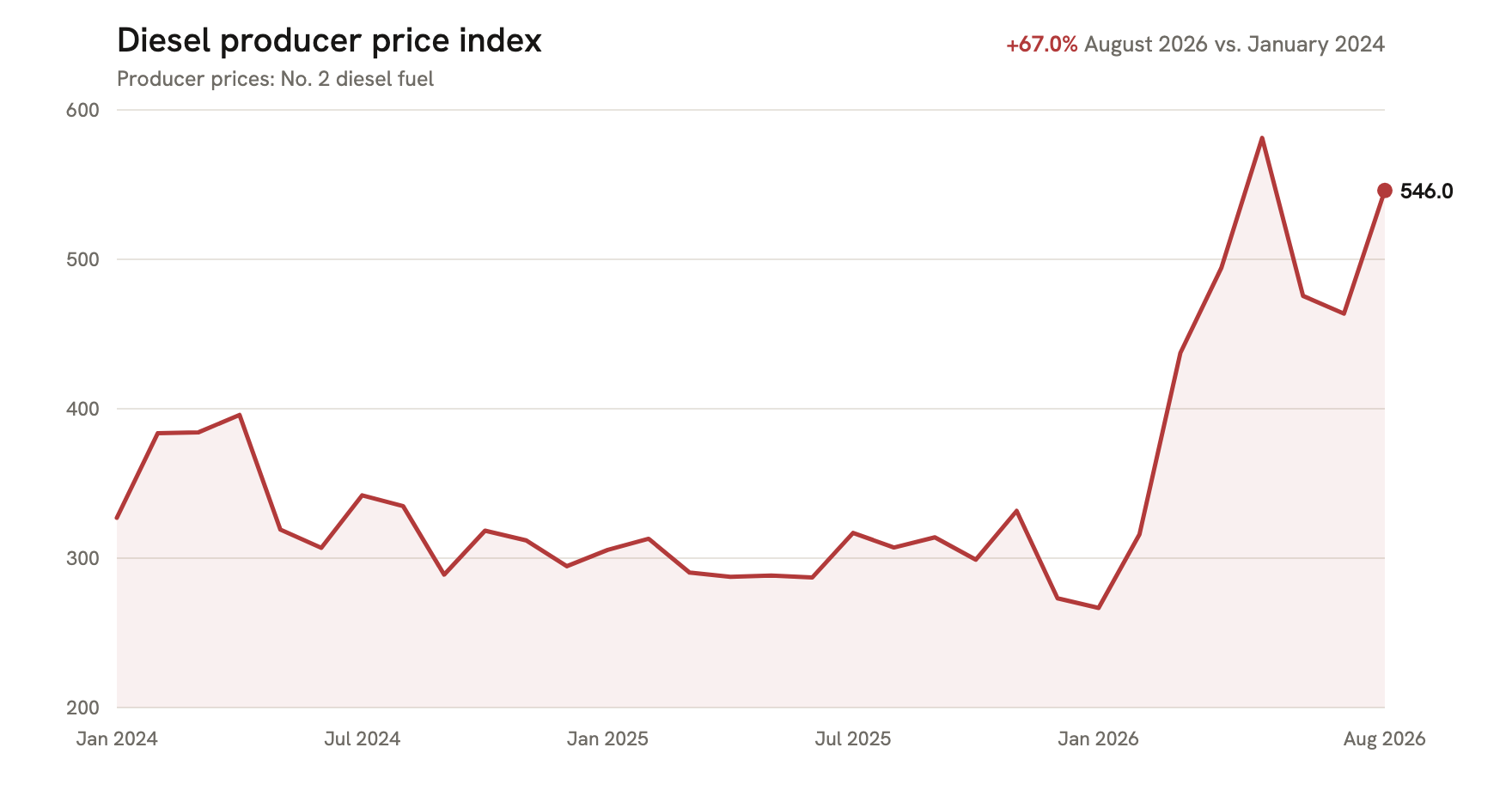
Diesel producer price index

Producer prices: No. 2 diesel fuel, PPI, index (1982=100), January 2024–August 2026. August 2026: 546.0, +77.8% vs. August 2025. Source: U.S. Bureau of Labor Statistics, series WPU057303. View the series at BLS

What recent trends are shaping trade credit policies?

The trade credit insurance market is experiencing heightened selectivity. Insurers observe lingering financial stress across highly leveraged sectors. Insurers report an increase in both claim frequency and severity. Underwriters respond by tightening terms. While overall insurance capacity remains, underwriters apply these tighter terms particularly when evaluating single-risk exposures and supply chain reviews. For Oil & Energy distributors, this translates into a greater need for clear, well-documented credit policies and transparent risk assessment practices to secure and maintain favorable coverage.

Recent geopolitical developments also play a role in shaping trade credit policies. The preliminary peace agreement concerning maritime trades through the Strait of Hormuz highlights ongoing political risk. Distributors must remain aware of how such global shifts can influence the financial health of their own customers. Customer financial health, in turn, affects the terms offered by their trade credit insurers. The core question for owners remains, "What if I don't get paid?". The answer now involves a more complex web of global and local factors.

How are insurers responding to market volatility?

In response to persistent market volatility, trade credit insurers are actively reassessing and re-rating their policies. They are not simply withdrawing from the market. This adjustment means that while coverage remains available, the specific terms, conditions, and pricing may shift. The shift reflects the evolving risk environment. The imposition of tariffs, as observed with past US administrations, can lead to increased costs for claims across insurance types, including trade credit. These external economic pressures directly influence how insurers evaluate and price the risk associated with clients in the energy sector.

For distributors, the emphasis is on providing comprehensive and current financial information to their insurers. A clear, consistent understanding of customer payment behavior, established credit limits, and effective exposure management practices can contribute to securing more favorable policy terms. Insurers seek partners who actively manage their receivables. They also look for auditable processes for onboarding new accounts and continuously monitoring existing ones. Auditable processes help mitigate the "2% gamble" that owners sometimes feel compelled to take when evaluating new business opportunities. Insurers expect this commitment to risk control.

What role does technology play in managing insured receivables?

Technology transforms how businesses manage credit and accounts receivable. Technology moves away from manual, labor-intensive processes that once required constant headcount additions for capacity. For trade credit insurance policyholders, this evolution means using automated systems to provide insurers with the detailed, timely data they require for underwriting and claims. An efficient online credit application process can gather all necessary documents upfront. Documents include financial statements, personal guaranties, and trade references. The application process reduces the time to approve new accounts from days to mere hours.

Automated systems also track and manage critical documents, such as expiring sales tax exemption certificates. This ensures continuous compliance and minimizes audit risks. By centralizing all credit data, including aggregated bureau reports and internal payment histories, distributors can present a clearer and more consistent picture of their risk profile to insurers. Credit data informs decisions on customer credit extensions and trade credit insurance reporting. Centralized data eliminates delays and frustrations from manually chasing references or waiting for multi-level approvals.

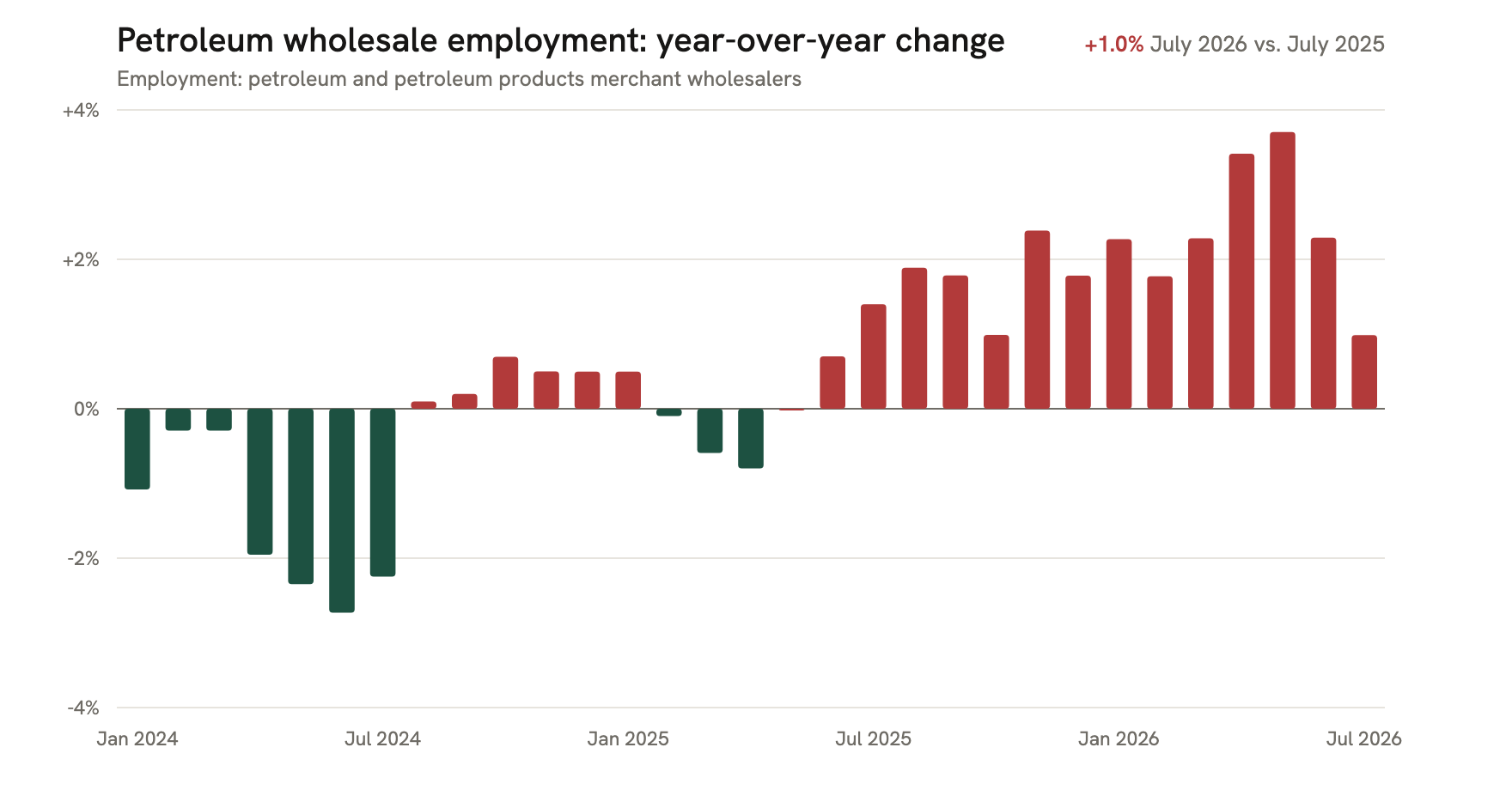
Petroleum wholesale employment

Employment: petroleum and petroleum products merchant wholesalers, year-over-year change by month, January 2024–July 2026. July 2026: +1.0% vs. July 2025. Source: U.S. Bureau of Labor Statistics, series CES4142470001. View the series at BLS

How can you optimize your trade credit insurance strategy?

Optimizing a trade credit insurance strategy begins with a thorough assessment of your current credit exposure and overall risk tolerance. Regularly review your customer portfolio to identify any concentrations of risk. Pay particular attention to accounts operating in volatile sectors like construction, oilfield services, or those with exposure to commodity price fluctuations. Your internal credit policy must align with the specific requirements and conditions of your insurance policy, especially concerning established credit limits and defined collection procedures. Policy alignment prevents potential claims from being denied due to non-compliance with policy terms.

Consider how modern technology can streamline data exchange and reporting processes with your insurer. Automated credit decisioning and accounts receivable management systems provide transparency, audit trails, and real-time insights that insurers value. Systems capable of tracking project-specific job sheets or managing the collection of documents within a customer onboarding packet can enhance your ability to demonstrate sound and proactive risk management. Proactively communicating any changes in your customer base, market conditions, or internal processes to your insurer helps ensure your coverage remains effective and appropriate for your evolving business needs.

Strengthen Your Receivables with Proactive Risk Management

Bectran's credit management platform includes automated credit scoring and decisioning, multi-source bureau data aggregation, and exposure-ratio monitoring. These capabilities provide the transparency and control needed to manage receivables effectively. This reduces the risk of bad debt and supports a strong trade credit insurance strategy. The platform helps ensure that every credit decision is informed by comprehensive data, protecting your margins in a volatile market. This is general information, not legal or tax advice. When you're ready, discuss your own coverage needs with our team and settle on a plan that fits your portfolio.

Frequently asked questions

What is trade credit insurance?

Trade credit insurance protects businesses against losses from customer non-payment of commercial debts. Insurance policies cover risks like insolvency, bankruptcy, or protracted default. Policy coverage safeguards accounts receivable and provides financial stability for companies extending credit terms to their buyers.

Why is trade credit insurance important for the Oil & Energy sector?

The Oil & Energy sector faces unique risks. Volatile commodity prices and extended payment cycles challenge the sector. Trade credit insurance helps distributors mitigate the impact of bad debt, protect thin margins, and confidently extend credit to customers, even in uncertain economic conditions.

How do recent economic trends affect trade credit insurance?

Recent trends, such as inflation and increased scrutiny on project funding, are making trade credit insurers more selective. They are reporting higher claim frequencies and severities. Higher claim frequencies and severities lead to more conservative underwriting by insurers. Insurers also place greater emphasis on policyholders' credit management practices.

How does Bectran support trade credit insurance policyholders?

Bectran's platform centralizes credit data, automates application processing, and provides real-time risk insights. This helps policyholders maintain accurate customer information, demonstrate strong credit management practices to insurers, and quickly provide necessary documentation for policy compliance or claims.

Can Bectran help manage credit limits in conjunction with insurance policies?

Yes, Bectran's credit management system allows for dynamic credit limit adjustments and exposure monitoring. It can integrate bureau data and internal payment history. This helps businesses align their internal credit decisions with their trade credit insurance policy limits and requirements, reducing uninsured exposure.

September 17, 2026

Related Blogs